

We are wired for connection. Not just emotionally — biologically. The science has never been clearer: the quality of your relationships is one of the most powerful predictors of how long you live and how well you feel while you’re living.
And yet, we’re in the middle of a loneliness epidemic.
In 2025, the World Health Organization released a landmark global report confirming that 1 in 6 people worldwide is affected by loneliness — contributing to an estimated 871,000 deaths annually. The former U.S. Surgeon General, Dr. Vivek Murthy, co-chaired that commission, following a 2023 advisory that called loneliness one of the defining public health crises of our time. This isn’t just about feeling sad. Social isolation has been linked to the same level of health risk as smoking 15 cigarettes a day.
As a family physician, I’ve watched this play out in exam rooms for 14 years. Patients who are well-connected recover faster, manage stress better, and show up to appointments with more hope. And patients who are isolated — quietly, invisibly — often present with conditions that have gone unaddressed because no one in their life was close enough to notice, or to care.
This post is about understanding what healthy social connection actually looks like, what happens to your body when it’s absent, and what you can do — practically, today — to invest in your social health the same way you’d invest in your physical health.
Why Your Relationships Are a Health Issue
Strong social connections have been shown to improve survival odds by up to 50%, according to a landmark meta-analysis examining data from 148 studies. For context, that places social connection on par with — and in some cases exceeding — well-established risk factors like physical inactivity and obesity when it comes to mortality risk.
When you have quality relationships, your body benefits in measurable ways:
- Lower cardiovascular risk. The American Heart Association has formally recognized social isolation as a risk factor for heart disease and stroke.
- Better immune function. People with stronger social ties mount better immune responses, including to vaccines.
- Reduced dementia risk. Older adults with robust social lives are significantly less likely to develop cognitive decline.
- Lower cortisol and inflammation. Chronic loneliness raises stress hormone levels and drives systemic inflammation — a root contributor to conditions like hypertension, diabetes, and autoimmune disease.
- Improved mental health. Social connection is consistently associated with lower rates of depression and anxiety and higher self-esteem.
On the flip side, loneliness and isolation increase the risk of premature death by 26–29%, respectively. These aren’t soft, feel-good statistics. This is physiology.
Who Is Most Affected — And Why It Matters
Data from a 2023 KFF national survey found that Black women report loneliness at higher rates (22%) than women of other racial groups. This isn’t surprising when you consider the structural weight many Black women carry — caregiving for family, managing chronic stress from discrimination, navigating systems that were not built with them in mind — often without adequate support in return.
We talk a lot about the “strong Black woman” narrative. And while resilience is real and worth honoring, strength was never meant to mean going it alone. Being the person everyone leans on, without anyone leaning back, is a setup for burnout, chronic stress, and ultimately, illness. Your nervous system doesn’t distinguish between different types of stress. It just keeps score.
If you’ve been pouring into relationships without receiving, carrying others without being carried, showing up for everyone while quietly running empty — this post is for you.
What Healthy Relationships Actually Look Like
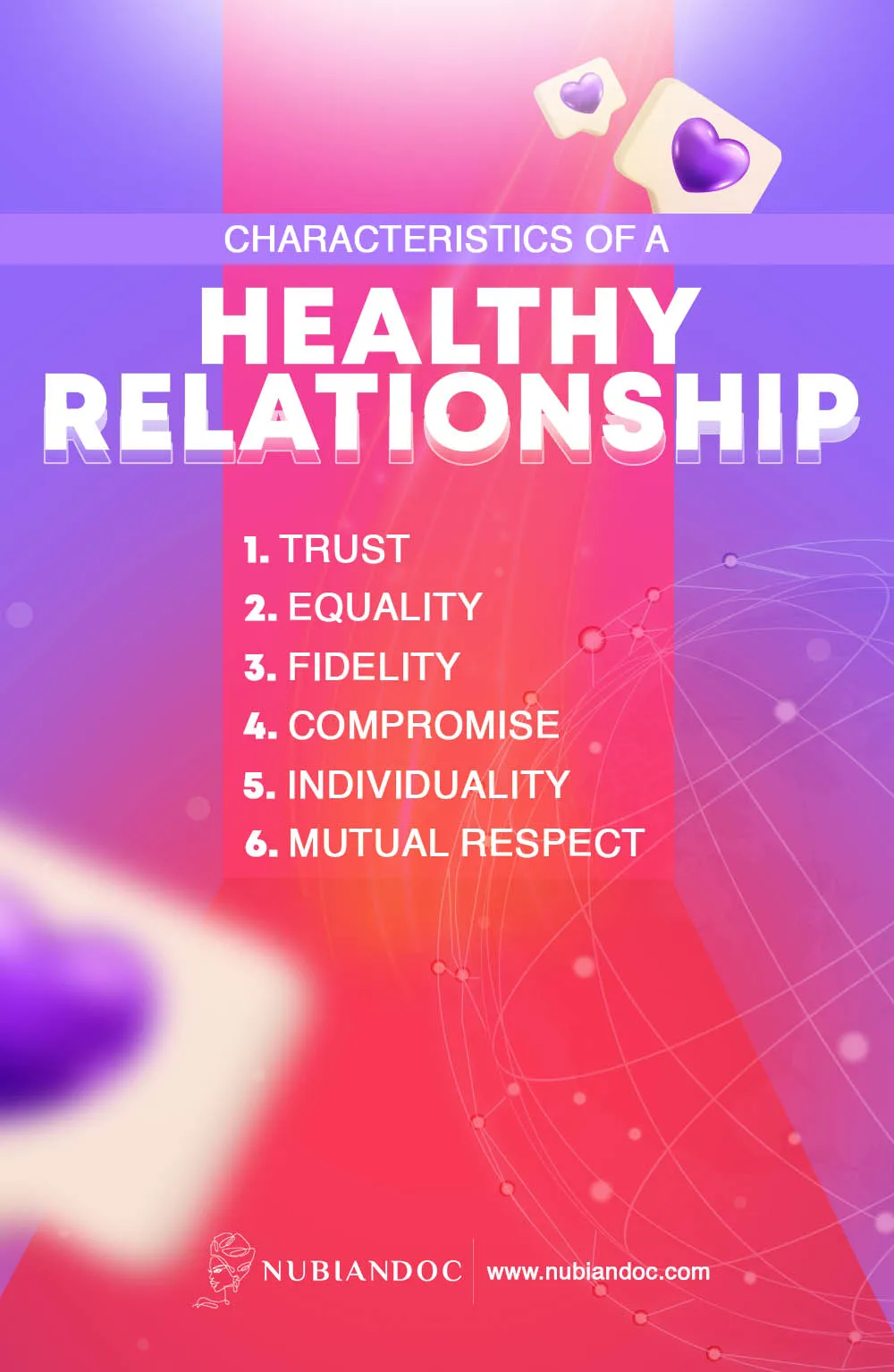
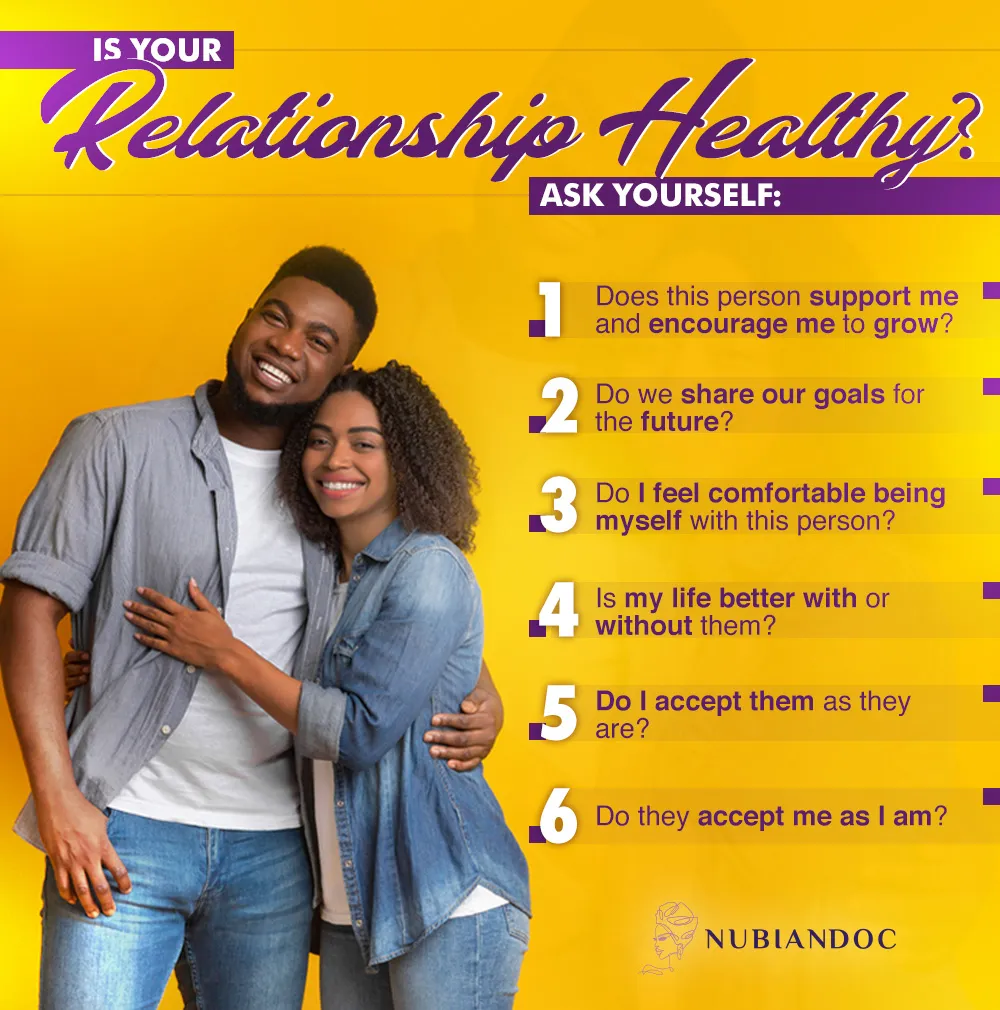
A healthy relationship isn’t perfect. It doesn’t require constant availability, agreement, or even closeness at all times. What it does require is a foundation of mutual respect, honest communication, and genuine care — the kind that makes you feel seen rather than drained.
Signs of a healthy relationship:
- You feel safe being honest, including when you disagree
- There is reciprocity — effort, care, and time flow in both directions
- Your boundaries are respected without punishment or guilt
- You feel energized or restored after time together, not depleted
- You are encouraged to grow, not controlled or diminished
- There is trust — and when it’s broken, it can be repaired through accountability
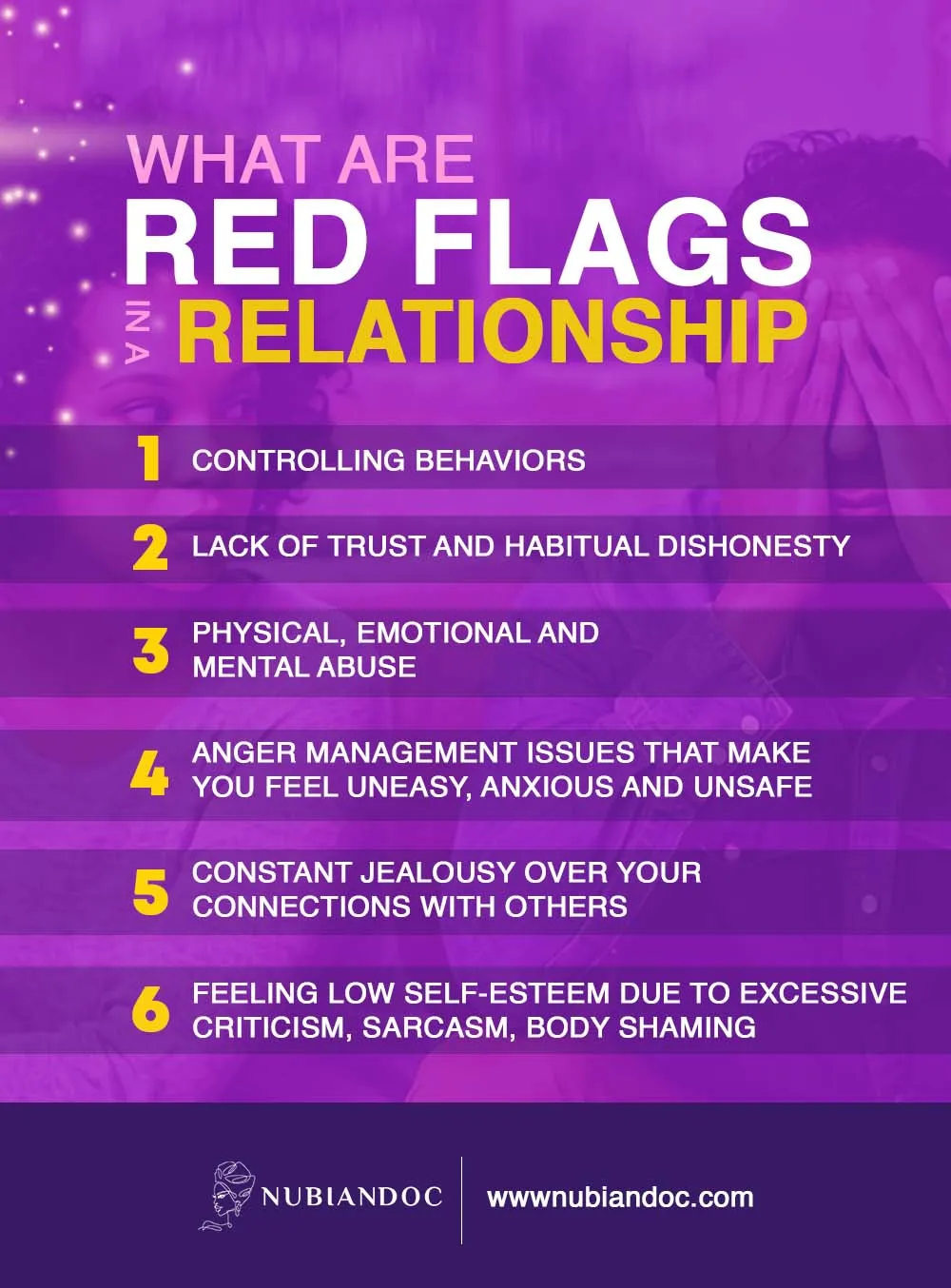
Red flags to take seriously:
- Consistent dismissal of your feelings or experiences
- Control over your time, finances, appearance, or relationships with others
- Walking on eggshells — adjusting your behavior to avoid someone’s anger
- Frequent criticism, belittling, or humiliation (public or private)
- Isolation from people who care about you
- Any form of physical, emotional, or sexual coercion
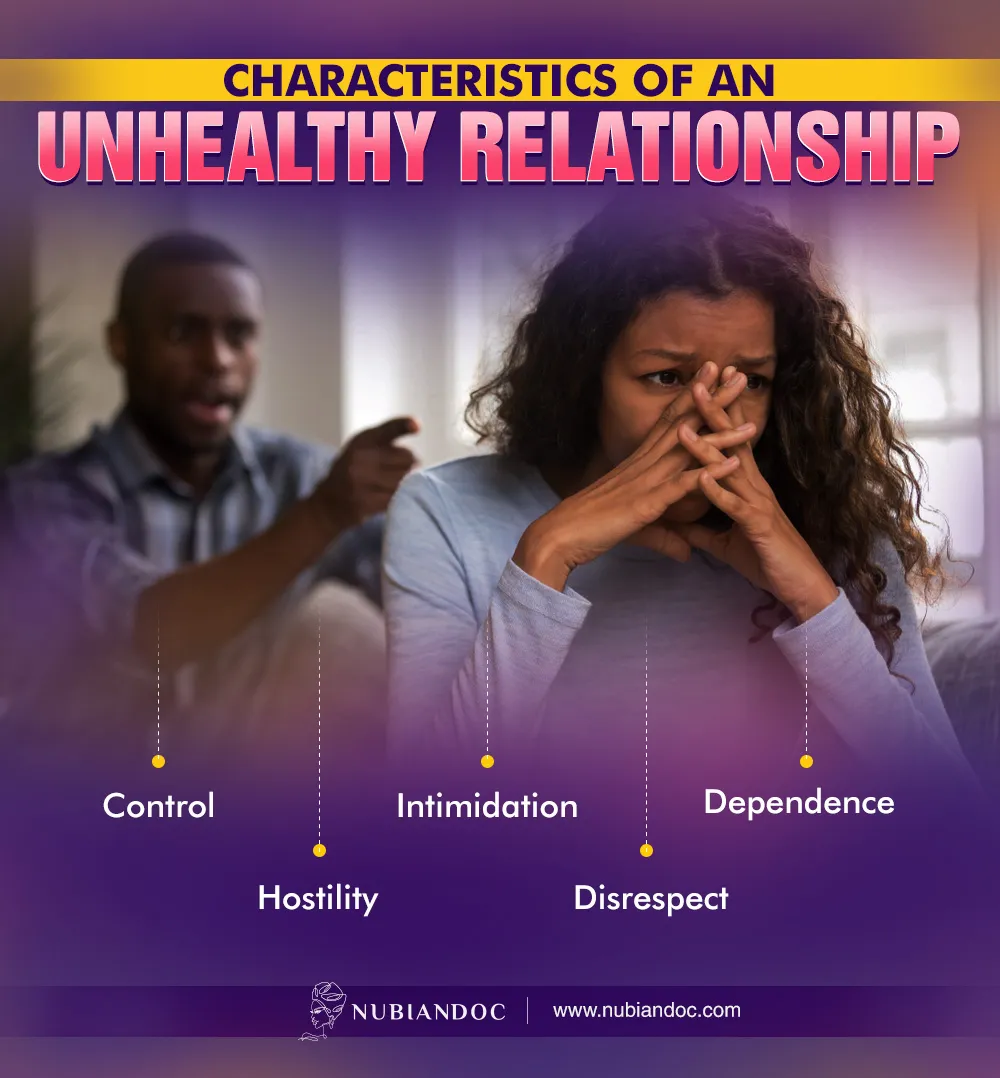
If a relationship leaves you consistently feeling worse — more anxious, more ashamed, more alone — that is information worth acting on. No relationship is healthy simply because it’s long-standing or familiar.
How to Maintain the Relationships You Have
Good relationships don’t maintain themselves. Like physical health, they require intentional, ongoing investment. Here’s what that looks like in practice:
Keep expectations realistic. The people in your life are human. They will sometimes disappoint you, need their own space, or be going through things they haven’t shared. Accepting people as they are — rather than who you need them to be — is the foundation of sustainable connection.
Listen to understand, not just to respond. Deep listening means being present without an agenda. Put the phone down. Resist the urge to problem-solve before the other person is done talking. Being truly heard is one of the most profound gifts you can give someone — and it’s free.
Communicate directly and assertively. Assertive communication is the middle ground between passive and aggressive. It means expressing your needs clearly using “I” statements rather than blame: “I felt dismissed when…” rather than “You always…” This approach invites connection rather than defense.
Show up with affection and appreciation. Long-term relationships can quietly lose their warmth when life gets busy. Make the effort to say what you appreciate — out loud, specifically, regularly. The small gestures compound over time.
Know what to share and with whom. Not everyone earns access to your deepest truths. Healthy relationships grow through progressive vulnerability — you share more as trust deepens. That’s not guardedness; that’s wisdom.
I want to be specific about the mechanisms here, because understanding the why makes it easier to take the what seriously.
Sleep. Chronic loneliness disrupts sleep architecture — reducing deep, restorative sleep and increasing nighttime wakefulness. Poor sleep compounds nearly every other health risk.
Blood pressure and heart health. Social isolation triggers sustained activation of the sympathetic nervous system (your “fight or flight” system), which over time drives up blood pressure and accelerates cardiovascular aging.
Cortisol and inflammation. Lonely individuals show elevated cortisol levels and higher markers of systemic inflammation — a pathway linked to diabetes, heart disease, depression, and cancer.
Brain health. Social engagement stimulates cognitive reserve. Multiple large studies show that socially connected older adults have a lower risk of dementia, even when controlling for other health variables.
Immune resilience. Social support has been shown to improve immune response, including antibody production after vaccination. Your relationships literally affect how well your immune system does its job.
Building Connection When It Doesn’t Come Naturally
Not everyone finds it easy to walk into a room and connect with strangers. Social anxiety is real. So is the cumulative fatigue of past relationships that didn’t honor you. Here’s how to start:
Start with what already exists. Reach back to people you’ve lost touch with. A simple “I’ve been thinking about you” text or email can restart something meaningful. These existing relationships are lower stakes than building something new.
Find community around shared purpose. A fitness class, a book club, a faith community, a volunteer organization — connection happens naturally when you’re doing something you care about alongside others. The relationship forms around the shared activity, which reduces the pressure of forced socializing.
Invest in depth over breadth. Research consistently shows that the quality of social connection matters more than quantity. A few trusted, reciprocal relationships are more protective than a large social network full of surface-level contact.
Use digital connection intentionally. Social media and texting are not substitutes for in-person presence — but they can bridge the gap. The key is using them actively (reaching out to specific people) rather than passively (scrolling). Passive social media use is associated with increased loneliness.
Be kind to yourself in the process. Not every attempt at connection will land. Some people won’t reciprocate. That is not a reflection of your worth. Building genuine community takes time, and every small step counts.
A Clinical Note on Older Adults
Social isolation becomes an escalating risk with age. Mobility limitations, the loss of loved ones, retirement, and changing family dynamics can all narrow the social world significantly. Older adults with strong social connections are more likely to maintain quality of life, require less medical support, and have lower dementia risk. If you have an older parent, relative, or neighbor in your life — regular, meaningful contact is one of the most concrete things you can do for their health. It is not optional. It is medicine.
If you or someone you love is struggling with the emotional weight of isolation, read our post on recognizing mental health symptoms and when to reach out.
The Bottom Line
Your social health is your health. The science is unambiguous, and the 2025 WHO Commission on Social Connection has made this a global priority — recognizing that we must treat social disconnection with the same urgency as we treat hypertension, diabetes, or obesity.
Healthy relationships require honesty, mutual respect, real communication, and the willingness to repair ruptures when they occur. They require you to both give and receive. And they require you to recognize — and walk away from — the ones that no longer serve your wellbeing.
You deserve relationships that restore you. Not just occasionally. As a baseline.
Invest in your people. Protect your peace. And know that building a connected life is not a luxury — it is a clinical necessity.
Interested in exploring avenues that lead towards better mental and physical health? Visit NubianDoc website and read our educational blogs catering to nutrition, diet, exercise and a healthier lifestyle.
References:
- WHO Commission on Social Connection. From Loneliness to Social Connection: Charting a Path to Healthier Societies. June 2025.
- Holt-Lunstad J. Social connection as a critical factor for mental and physical health. World Psychiatry. 2024;23:312–332.
- KFF Survey of Racism, Discrimination and Health. Loneliness and Social Support Networks. 2023.
- U.S. Surgeon General Advisory. Our Epidemic of Loneliness and Isolation. 2023.
- Harvard T.H. Chan School of Public Health. The Importance of Connections. June 2025.
- Holt-Lunstad J et al. The Connection Prescription. American Journal of Lifestyle Medicine. 2017.
