

Thinking About Quitting Sugar? Here’s How
Sugar is everywhere — and the food industry has spent decades making sure of it.
Over the past 50 years, the U.S. food supply has shifted dramatically toward processed and packaged foods. To make those products more palatable, manufacturers have added sugar in dozens of forms — from high fructose corn syrup to agave nectar to fruit juice concentrate. The result? The average American consumes far more added sugar than is physiologically safe, often without realizing it.
The consequences are not abstract. A landmark 2025 study published in Nature Medicine estimated that sugar-sweetened beverages alone were responsible for 2.2 million new type 2 diabetes cases and 1.2 million new cardiovascular disease cases globally in 2020. And for communities already facing disproportionate rates of chronic disease, the stakes are even higher.
This post breaks down what added sugar is actually doing to your body, why reducing it matters, and — most importantly — how to do it in a way that’s practical and sustainable.
What Exactly Is Sugar?
Not all sugar is created equal, and understanding the difference matters before we talk about reducing it.
Natural sugars occur in whole foods — fruits, vegetables, dairy, and grains. These come packaged with fiber, water, vitamins, and minerals that slow absorption and provide genuine nutritional value. They are not the problem.
Added sugars are the ones introduced during processing or preparation. The most common forms include:
- Fructose (fruit sugar, commonly added as high fructose corn syrup)
- Sucrose (table sugar)
- Glucose (used in many processed foods and beverages)
- High fructose corn syrup (derived from cornstarch; found in sodas, condiments, breads)
On food labels, added sugars can hide under more than 60 different names, including fruit juice concentrate, maltose, cane syrup, molasses, honey, agave nectar, date sugar, maple syrup, and beet sugar. Reading labels is one of the most important nutrition skills you can develop — and the FDA now requires added sugars to be listed separately on the Nutrition Facts panel, which makes this easier than ever.
How Much Added Sugar Is Too Much?
The guidance here has been updated, and it’s more conservative than many people expect.
The 2025 Dietary Guidelines for Americans — the most recent federal nutrition framework — recommends that no single meal contain more than 10 grams (about 2.5 teaspoons) of added sugars. Across the full day, added sugars should make up less than 10% of total daily calories. For a standard 2,000-calorie diet, that’s no more than 200 calories — or roughly 12 teaspoons — from added sugars.
The World Health Organization (WHO) goes further, recommending reducing added sugar to below 5% of total daily calories for additional health benefits — that’s about 6 teaspoons (25 grams) for most adults.
To put this in perspective: a single 12-ounce can of regular soda contains roughly 39 grams of sugar — more than the entire WHO daily recommendation in one drink. A flavored yogurt can contain 20–25 grams. A “healthy” granola bar often has 12 or more.
Bottom line: Most women are consuming two to three times the recommended daily added sugar — often without being aware of it.
What Sugar Is Doing to Your Body
Heart Disease
A study published in BMC Medicine analyzed data from more than 110,000 people followed for nearly nine years and found that higher added sugar intake was linked with increased risks of heart disease and stroke — with higher intake correlating with higher risk. The mechanism is direct: excess sugar overloads the liver, promotes fat accumulation, raises triglycerides, increases blood pressure, and drives chronic inflammation — all pathways to cardiovascular disease.
Research also shows that having just one additional sugary drink per day can increase a person’s risk of hypertension by 8% and heart disease by 17%.
Type 2 Diabetes
Sugar raises blood glucose and, over time, promotes insulin resistance — the hallmark of type 2 diabetes. This is a particular concern given where we are today: as of 2024, Black adults were 24% more likely than U.S. adults overall to have diabetes, and in 2022, Black Americans died from diabetes at a rate 78% higher than the U.S. population overall.
Diet is one of the most powerful and modifiable risk factors in this equation. If you have been told you are prediabetic, or have a family history of diabetes, reducing added sugar is not optional — it is clinical priority. Read more about recognizing symptoms and managing your metabolic health.
Weight Gain and Obesity
Excess sugar — especially from beverages — generates calories that are metabolically distinct from other food sources. Liquid sugar bypasses satiety signals, meaning it doesn’t make you feel full the way solid food does. Over time, this promotes weight gain and visceral fat accumulation — the fat stored around organs, which carries the highest cardiometabolic risk.
Skin and Acne
A high-sugar diet raises androgen levels and increases sebum (oil) production — both direct contributors to acne. It also accelerates a process called glycation, where sugar molecules attach to collagen and elastin, degrading skin structure and accelerating the appearance of aging. For more on this, see our post on fighting acne from the inside out.
Liver Disease
When the liver processes excess fructose, it converts it to fat. Accumulated over time, this contributes to non-alcoholic fatty liver disease (NAFLD) — a condition that is increasingly common, often silent, and closely linked to insulin resistance and metabolic syndrome.
Gut Health
Emerging research published in 2025 shows that added sugars — including glucose, fructose, and sucrose — alter gut microbial diversity, deplete short-chain fatty acid-producing bacteria, and may impair gut barrier integrity. These changes create pathways linking high sugar intake to irritable bowel syndrome, obesity, liver disease, and cardiovascular disease. In short, what you eat affects far more than your waistline — it reshapes the entire microbial ecosystem that governs your immune function, digestion, and systemic inflammation.
Mental Health
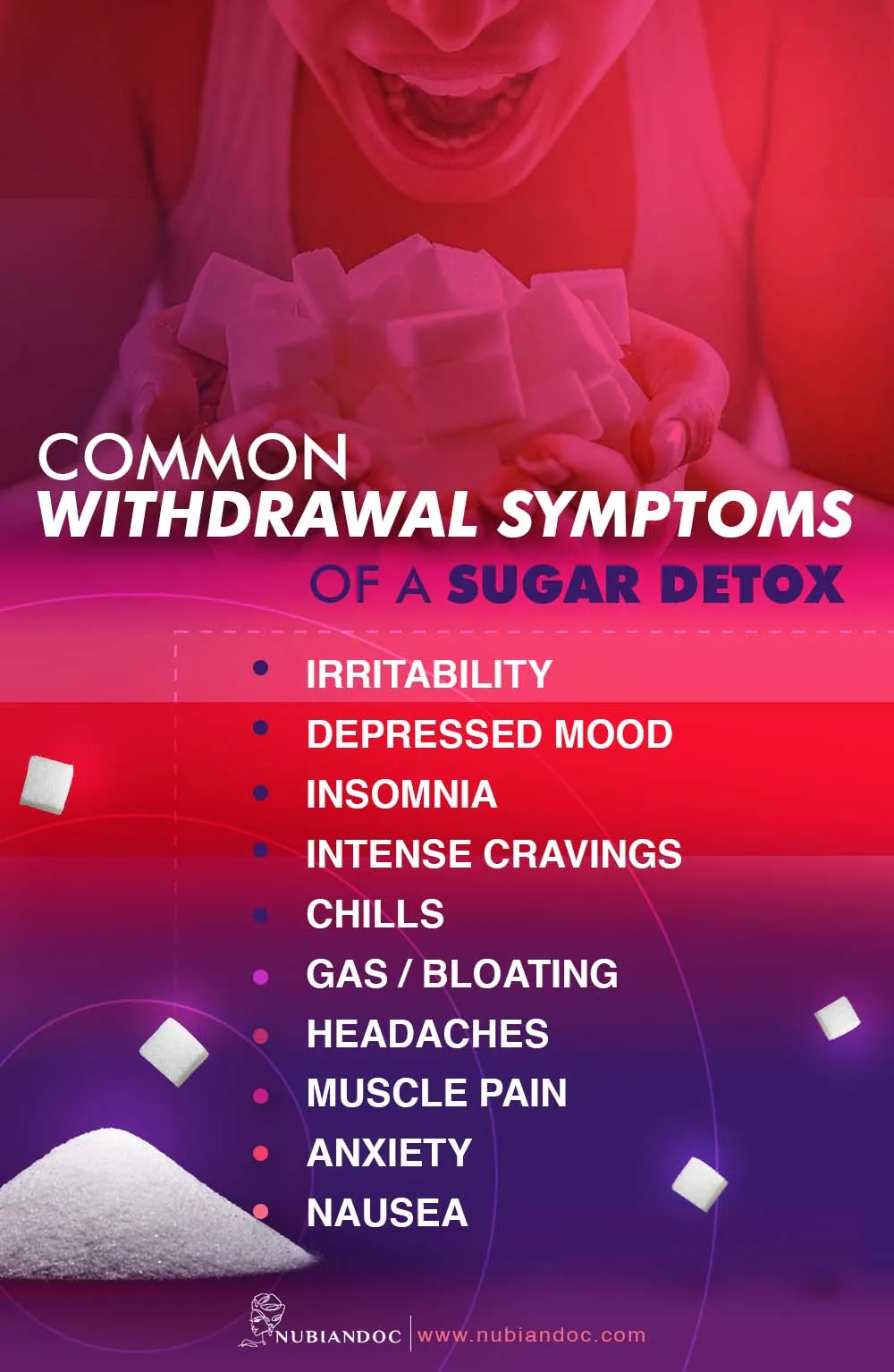
The relationship between sugar and mood is real and clinically underappreciated. High sugar intake promotes inflammation, which has been consistently linked to depression. The blood sugar spike-and-crash cycle also disrupts energy regulation, contributing to irritability, brain fog, and anxiety. Over time, excess sugar consumption has been associated with increased risk of depressive episodes — in both men and women.
Cognitive Decline
Excess sugar consumption is associated with impaired memory and elevated dementia risk. Research is also emerging on how high added sugar intake affects cerebrovascular function — the blood flow to the brain — which is foundational to long-term cognitive health.
Other Conditions
The downstream effects of chronic excess sugar include dental decay (oral bacteria feed on sugar and release acid that erodes enamel), kidney disease (high blood sugar damages delicate renal blood vessels), and gout (sugar raises uric acid levels, triggering painful joint inflammation).
How to Actually Reduce Your Sugar Intake
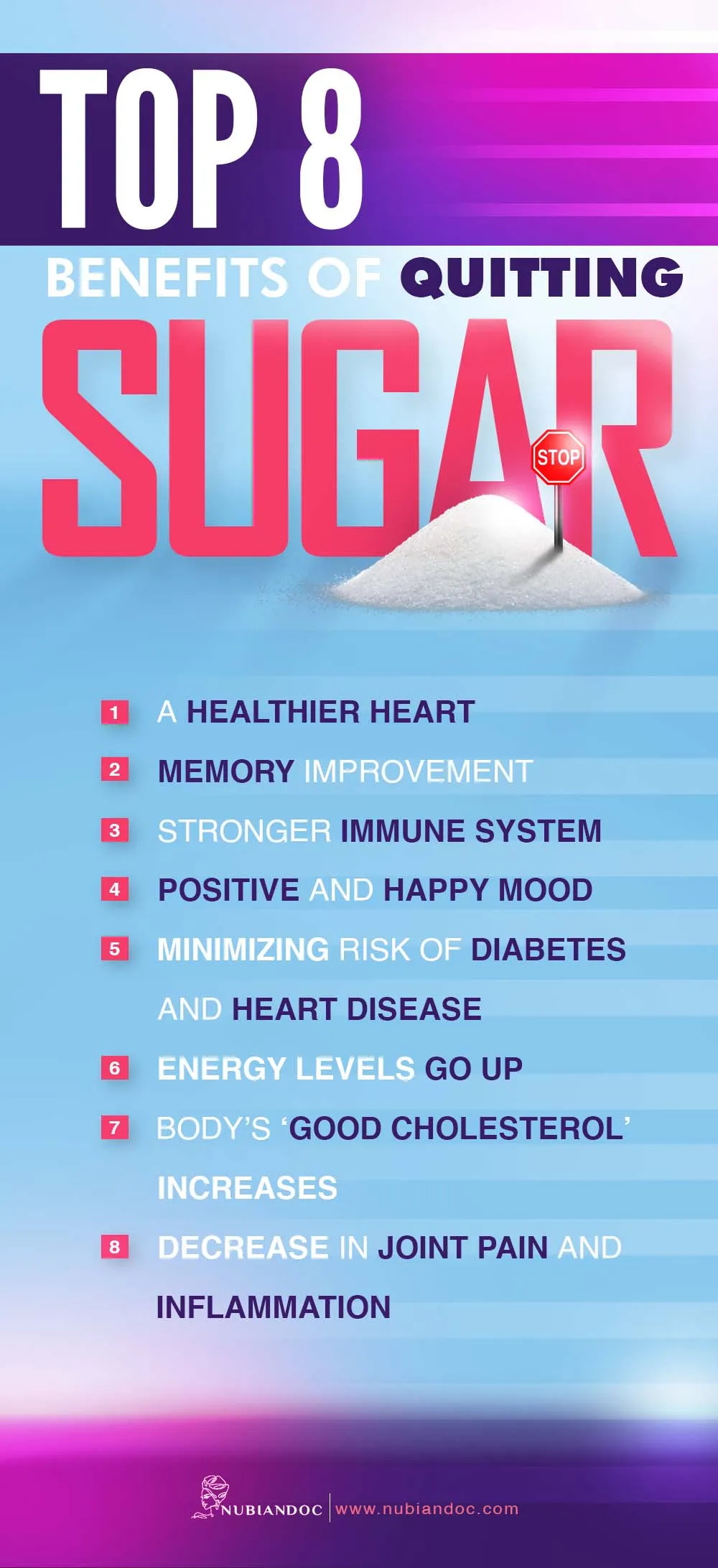
The goal here is not perfection — it is reduction and awareness. Complete sugar elimination is neither necessary nor sustainable for most people. What matters is bringing added sugar intake within a range that doesn’t burden your metabolic system over time.
Start With Drinks
This is the highest-yield change you can make. Sugar-sweetened beverages — sodas, energy drinks, sweetened teas, flavored coffees, fruit juices — are the single largest source of added sugar in the American diet. Swapping these for water, sparkling water, unsweetened tea, or black coffee removes the most significant sugar burden with a single habit change.
If you use sweeteners in coffee or tea, consider stevia as a zero-glycemic-index alternative. Use it as a transition tool, not a permanent replacement.
Read Labels Consistently
Look for the “Added Sugars” line on the Nutrition Facts panel — separate from total sugars. Aim for less than 5 grams of added sugar per serving in any packaged food. Be especially vigilant with condiments (ketchup, barbecue sauce, salad dressings), flavored yogurts, cereals, granola, and “health” bars.
Eat Whole Fruit, Not Fruit Juice
Whole fruit contains fiber that slows sugar absorption and creates satiety. Fruit juice — even 100% juice — strips out the fiber, delivering a concentrated sugar hit with none of the structural benefit. The difference metabolically is significant.
Build Meals Around Whole Foods
The most effective long-term sugar reduction strategy is not substitution — it’s restructuring. When the foundation of your meals is vegetables, lean protein, legumes, and whole grains, added sugar has less room to dominate. Processed foods account for the majority of added sugar exposure; cooking at home puts you in control.
Keep a Food Diary
Tracking what you eat for even three to five days creates powerful awareness. Many people genuinely don’t know how much added sugar they’re consuming until they see it written down. You don’t need an app — a simple notes list works. Identify your top two or three sugar sources and target those first.
Crowding Out vs. Cutting Out
Restrictive thinking (“I can never have this”) tends to backfire. A more sustainable approach is crowding out — adding more of what nourishes you (fiber, protein, healthy fats) so that there is naturally less room and appetite for what doesn’t. When you eat enough whole food, cravings for processed sugar genuinely diminish over time.
Sugar Substitutes: What You Need to Know
If you’re transitioning away from added sugar, natural lower-glycemic substitutes can help — but use them with context:
| Sweetener | Glycemic Index | Equivalent to 1 Cup Sugar |
|---|---|---|
| Stevia | 0 | 1 teaspoon |
| Xylitol | 12 | 1 cup |
| Agave | 15 | ¾ cup |
| Honey | 30 | ½ cup |
| Date sugar | 50 | 1 cup |
| Maple syrup | 54 | ½ cup |
| Molasses | 55 | ⅓ cup |
(Source: Bigger Bolder Baking)
A clinical note: lower glycemic does not mean metabolically neutral. Honey, maple syrup, and agave still raise blood sugar — more slowly, but they do. Stevia and xylitol are genuinely low-impact options if you need a sweetener. Artificial sweeteners (aspartame, sucralose) are technically low-calorie but remain controversial in terms of their effects on gut microbiota and appetite regulation, and I generally don’t recommend them as a long-term solution.
A Word on Why This Matters More for Some of Us
I want to speak directly to something for a moment.
The food environment in many of our communities has not been designed with our health in mind. Food deserts, aggressive marketing of sugar-laden products in lower-income neighborhoods, and the cultural entrenchment of processed foods as both comfort and convenience — these are not individual failings. They are structural realities.
At the same time, Black adults are 24% more likely than the U.S. average to have diabetes and more than twice as likely to develop kidney failure caused by it. The metabolic consequences of excess sugar consumption compound existing health disparities in ways that are serious and often irreversible once they take hold.
Reducing added sugar is one of the most direct, evidence-backed things you can do to protect your long-term health — particularly your heart, kidneys, and metabolic function. It doesn’t require a special diet, a supplement, or an expensive program. It requires information and intention.
Both of which you now have.
The Bottom Line
Added sugar is not the enemy in small amounts — your body uses glucose every day. The problem is chronic, excessive intake from an industrialized food supply that profits from keeping you consuming more.
The CDC and the American Heart Association both emphasize that reducing added sugars is one of the most impactful dietary changes Americans can make for chronic disease prevention. The updated 2025 Dietary Guidelines reinforce this with stricter per-meal recommendations than any previous federal guidance.
Start with drinks. Read labels. Cook more at home. Swap in whole fruit. And be patient with yourself — your palate genuinely adjusts within weeks of reducing sugar, and foods that once tasted normal will start to taste overly sweet.
Your body will notice the difference. So will your long-term health.
For more evidence-based health guidance, explore our posts on intermittent fasting and what the evidence actually says, how to maintain a healthy weight, and understanding your skin health.

Summary: Preferring to prepare meals at home is a healthier approach and the best way to indulge in a ‘sugar detox’. Limit your sugar intake by using natural substitutes for sugar, such as ‘Stevia’.
Sugar Substitutes | ||
Sweetener | Glycemic index | Replacement for 1 cup sugar |
| Stevia | 0 | 1 teaspoon |
| Xylitol | 12 | 1 cup |
| Agave | 15 | 3/4 cup |
| Honey | 30 | 1/2 cup |
| Date sugar | 50 | 1 cup |
| Maple syrup | 54 | 1/2 cup |
| Molasses | 55 | 1/3 cup |
(Source: BIGGERBOLDERBAKING)
The Bottom Line: How to Quit Sugar?
Added sugar is harmful to health, and is the major cause of various life-threatening diseases. It may even, in the long run, cause mental health issues. According to World Health Organization (WHO) recommendations, an average of 25 grams of sugar per day is more than enough for a person with a healthy body mass index (BMI).
There is a variety of natural substitutes for sugar, such as stevia, jaggery, molasses, cane sugar, date sugar and xylitol. Opt for buying whole, unprocessed or sugar free foods and prepare home-made sugar-free recipes to maintain a healthy lifestyle. You may satisfy your sugar cravings by preparing sugar free desserts (such as the Sugar-free cheesecake mentioned above).
If you are interested in learning healthy recipes to boost overall health, visit NubianDoc. NubianDoc has blogs related to skincare, mental health, at-home DIY exercises and nutrition-filled recipes for a healthier lifestyle.
Visit our website for further details.
