

If you’ve spent any time on the internet looking for weight management advice, you’ve encountered an overwhelming amount of conflicting information — juice cleanses, detox teas, keto cookies, and “one weird trick” headlines that promise results no physician would endorse. Most of it is designed to sell something. Very little of it is grounded in clinical evidence.
In this post, I’m not going to give you a 15-step checklist. I’m going to give you the honest, evidence-based framework I use with my own patients — one that focuses on metabolic health, sustainable habits, and understanding why your body does what it does, rather than fighting it.
First: Reframing the Goal
The conversation in medicine has shifted meaningfully over the past several years. The focus is no longer just on the number on the scale — it is on metabolic health: the collection of markers that actually predict long-term disease risk. These include blood pressure, fasting glucose, triglycerides, HDL cholesterol, and waist circumference. You can have a “normal” BMI and poor metabolic health. You can carry extra weight and have excellent metabolic health. The goal is not thinness — it is a body that functions well, resists chronic disease, and supports your quality of life for decades.
A note on BMI: The Body Mass Index remains the most commonly used clinical screening tool for weight classification, but both the American Diabetes Association’s 2026 Standards of Care and the 2025 AACE Obesity Algorithm acknowledge its significant limitations. BMI does not distinguish between fat and muscle mass, does not account for fat distribution, and can misclassify metabolic health — particularly in women, in individuals who are highly muscular, and across different racial and ethnic groups. Waist circumference (a marker of visceral adiposity) and other metabolic markers often tell a more accurate story.
With that context established, here is what the evidence actually supports for achieving and maintaining a healthy weight.
1. Build Your Diet Around Fiber, Protein, and Whole Foods
These three pillars have the most consistent evidence behind them for sustainable weight management, satiety, and metabolic health.
Dietary fiber slows the digestion of carbohydrates, blunts post-meal blood sugar spikes, prolongs satiety, and feeds the beneficial bacteria in your gut. The Harvard T.H. Chan School of Public Health recommends 25 grams daily for women and 38 grams for men — most Americans get less than half that. High-fiber foods include beans and legumes, oats, leafy greens, cruciferous vegetables (broccoli, cabbage, cauliflower), flaxseeds, apples, berries, and whole grains.
Protein is the most satiating macronutrient — it reduces levels of ghrelin (the hunger hormone) and increases satiety hormones, helping you eat less overall without deliberately restricting calories. Protein also preserves lean muscle mass during weight loss, which matters enormously for metabolic rate and long-term weight maintenance. Prioritizing protein at breakfast — eggs, Greek yogurt, cottage cheese, a protein smoothie with nuts — sets the hormonal tone for the rest of the day far better than a carbohydrate-heavy start.
Whole, minimally processed foods are the foundation. This does not mean perfect eating — it means that the majority of your food comes from sources you recognize rather than a factory. When you build meals around vegetables, fruits, whole grains, lean protein, and healthy fats, calorie density naturally decreases and nutrient density increases without the need for meticulous tracking.
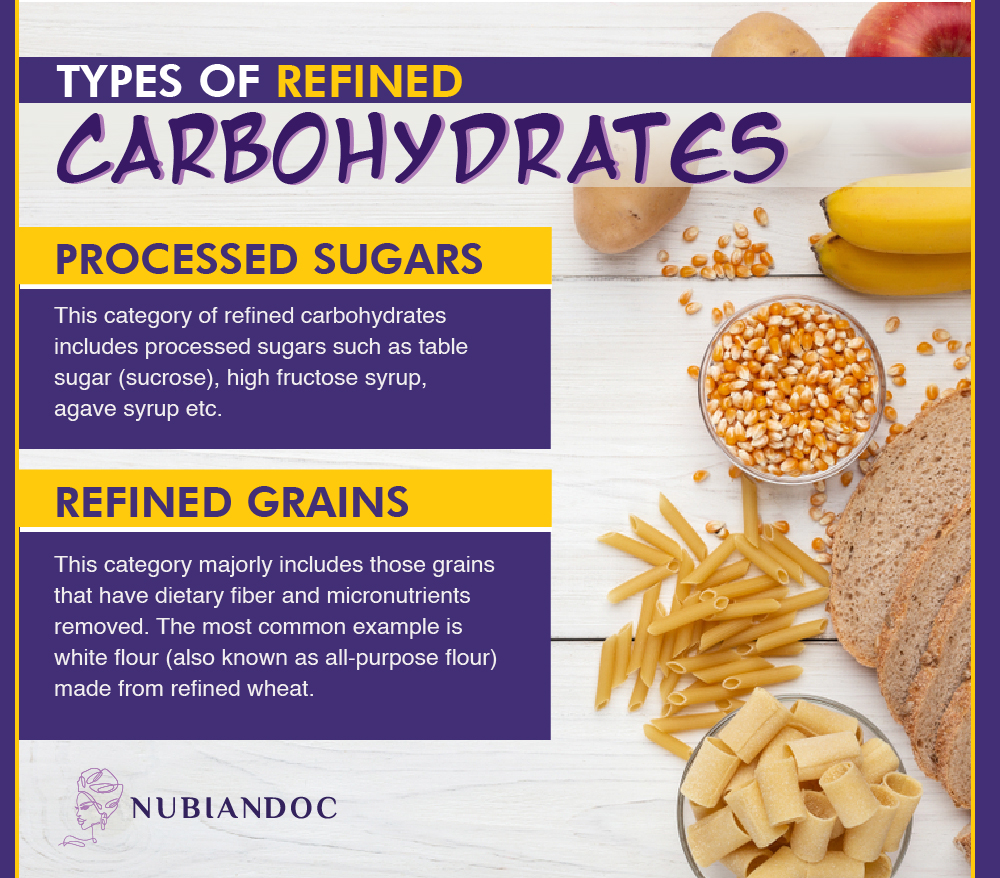
2. Understand What Refined Carbohydrates Actually Do
Refined carbohydrates — white bread, white rice, regular pasta, most packaged crackers and cereals, pastries, sugary drinks — have been stripped of their fiber and most of their micronutrients during processing. What remains is essentially rapidly absorbed glucose.
When you eat refined carbs, blood sugar spikes quickly, triggering a large insulin response. Blood sugar then drops — sometimes below baseline — leaving you feeling sluggish, irritable, and hungry again within hours, even if you consumed substantial calories. Over time, this cycle promotes insulin resistance, fat storage (particularly in the abdomen), and increased risk of type 2 diabetes and cardiovascular disease.
Replacing refined carbohydrates with whole-food versions — brown rice instead of white, whole grain bread, sweet potatoes instead of processed starch — delivers the same satisfaction with a fundamentally different metabolic response. And eliminating added sugar from beverages — sodas, sweetened teas, flavored coffees, fruit juices — is one of the highest-yield single changes most people can make.
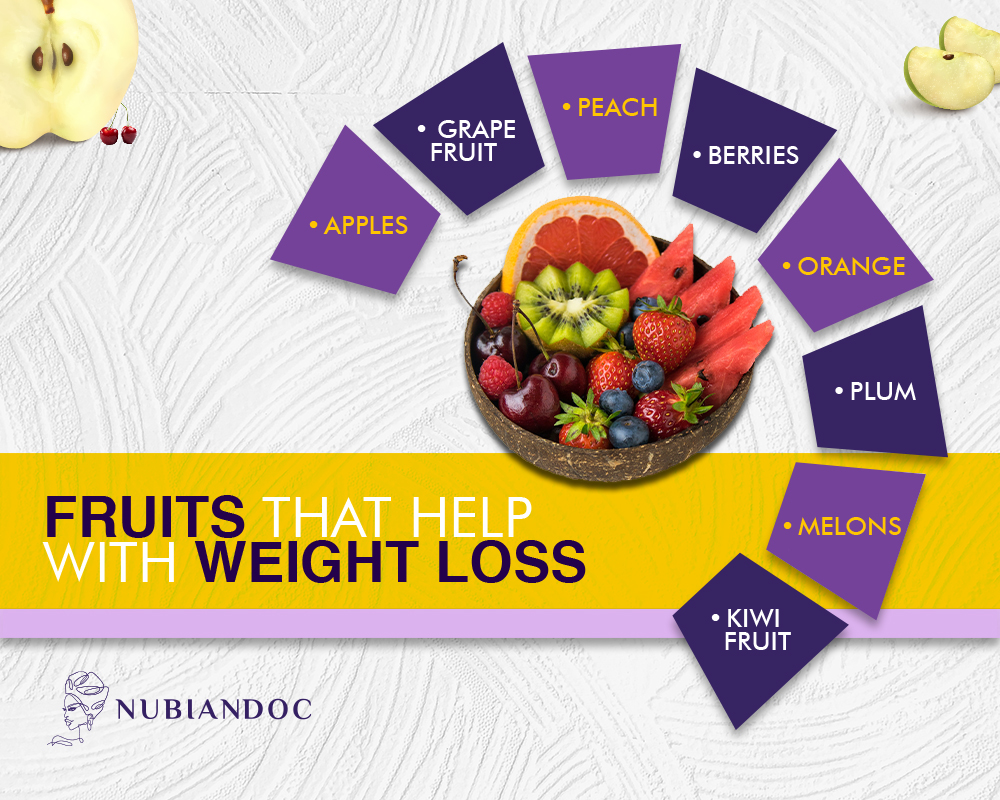

3. Eat Fruits and Vegetables Strategically and Abundantly
Fruits and vegetables are the most nutritionally efficient foods available. They are high in fiber, rich in vitamins and phytonutrients, and low in caloric density — meaning you can eat a substantial volume without overconsuming calories. Consuming adequate produce has been consistently linked to reduced risk of obesity, hypertension, cardiovascular disease, and type 2 diabetes.
A few specifics worth knowing:
Berries are among the most nutrient-dense foods available — high in antioxidants, low in sugar, and rich in fiber. Research consistently shows consumption of berries is associated with reduced inflammation, improved insulin sensitivity, and cardiovascular protection.
Leafy greens (spinach, kale, collard greens, arugula) provide volume, fiber, iron, folate, and compounds including thylakoids that research associates with improved appetite regulation.
Cruciferous vegetables (broccoli, Brussels sprouts, cauliflower, cabbage) offer a rare combination of fiber and protein for a vegetable, making them particularly filling and metabolically useful.
Whole fruit vs. fruit juice: Eating a whole apple, orange, or pear provides fiber that slows sugar absorption and creates satiety. Juicing the same fruit removes that fiber entirely — delivering concentrated sugar without the structural benefit. The metabolic difference is meaningful, especially for anyone managing blood sugar or insulin resistance.
The goal is a colorful, varied plate at most meals — not perfection at every meal, but consistent abundance over time.
4. Don’t Overlook Healthy Fats
Fats are not the enemy — and the evidence has firmly established this. Healthy fats from avocados, nuts, seeds, olive oil, and fatty fish (omega-3 rich sources like salmon, sardines, and mackerel) are essential for hormone production, brain function, cardiovascular health, and — importantly — satiety. Fat slows gastric emptying, meaning meals containing healthy fats keep you full significantly longer than low-fat alternatives.
The fats to limit are trans fats (found in some packaged foods and partially hydrogenated oils) and excess saturated fat. The fats to replace them with are monounsaturated and polyunsaturated fats. This is not about eliminating fat — it is about sourcing it wisely.
5. Hydration Is a Clinical Tool
The hunger and thirst signals in the body originate from overlapping regions of the hypothalamus and can be difficult to distinguish, particularly when you are mildly dehydrated. Many people who believe they are hungry mid-afternoon are simply under-hydrated.
The National Academies of Sciences recommend approximately 11 cups (2.7 liters) of total water daily for women and 15 cups (3.7 liters) for men — roughly 20% of which typically comes from food. A practical approach: drink a glass of water when you feel between-meal hunger, wait 10–15 minutes, and reassess. Staying consistently well-hydrated also supports kidney function, skin health, digestion, and energy.
Note for anyone with heart, liver, or kidney conditions: fluid intake should be discussed with your physician, as standard recommendations may not apply.
6. Sleep Is Not Optional — It Is Metabolic Medicine
This is one of the most underappreciated levers in weight management, and one I raise consistently with patients.
Insufficient sleep — defined as less than 7 hours per night for adults — disrupts the hormones that regulate hunger and satiety. Specifically:
- Ghrelin (the hunger hormone) increases with sleep deprivation, driving appetite
- Leptin (the satiety signal) decreases, reducing the sense of fullness
- Cortisol rises, promoting insulin resistance and abdominal fat storage
- Insulin sensitivity decreases after even one night of poor sleep
Research published in multiple large cohort studies has linked chronic short sleep (under 6 hours) with significantly increased risk of obesity, type 2 diabetes, and cardiovascular disease. Getting 7–9 hours of quality sleep is not a luxury — it is a fundamental metabolic requirement.
Practical sleep supports: consistent wake and sleep times (including weekends), a cool and dark bedroom, limiting screens 30–60 minutes before bed, and avoiding caffeine after early afternoon.
7. Manage Chronic Stress — Your Body Keeps the Score
Chronic psychological stress activates the hypothalamic-pituitary-adrenal (HPA) axis, driving sustained elevation of cortisol. As a physician, I see the downstream effects of this constantly. Chronically elevated cortisol:
- Increases appetite, particularly for calorie-dense, carbohydrate-rich foods
- Drives visceral fat deposition (fat around the organs)
- Promotes insulin resistance
- Disrupts sleep, which then further dysregulates hunger hormones
- Suppresses immune function and drives systemic inflammation
For many women — particularly those managing careers, households, caregiving responsibilities, and systemic stressors simultaneously — chronic stress is a significant and underrecognized driver of weight gain that no food tracking app addresses.
Evidence-based stress management strategies with meaningful physiological impact include regular physical activity, mindfulness practices, adequate sleep, strong social connections, setting boundaries, and when appropriate, working with a therapist. This is not soft advice — it is physiology.

8. Support Your Gut Microbiome
This is an area of rapidly expanding research with direct implications for weight management. Your gut microbiome — the trillions of bacteria, viruses, and fungi that inhabit your digestive tract — plays a meaningful role in how you extract energy from food, how your hunger hormones function, how your immune system is calibrated, and how efficiently fat is stored or metabolized.
A 2025 comprehensive review confirms that the composition of the gut microbiome differs meaningfully between people with and without obesity, with changes in key bacterial populations affecting short-chain fatty acid production, inflammation, and appetite regulation.
The most powerful tool for supporting a healthy microbiome is dietary diversity — particularly fiber from a wide variety of plant sources. Each type of plant fiber tends to feed different bacterial populations; eating 30 or more different plant foods per week (across vegetables, fruits, grains, legumes, nuts, and seeds) is associated with significantly greater microbiome diversity. Fermented foods (yogurt, kefir, kimchi, sauerkraut, kombucha) may also support microbial diversity when consumed regularly.
Antibiotic use disrupts the microbiome and should only be used when genuinely indicated. Chronic stress, poor sleep, and ultra-processed diets all negatively affect gut microbial composition — yet another reason these factors matter beyond their direct effects.
9. Move Your Body — And Make It Count
Physical activity is not primarily a weight loss tool — it is a health tool that also supports weight management. The research is clear that exercise produces health benefits independent of weight change, including reduced cardiovascular risk, improved insulin sensitivity, better mental health, preserved bone density, and increased longevity.
As we covered in detail in our post on cardio and strength training, a landmark 2024 study in JACC found that women derive proportionally greater survival benefits from the same amount of exercise as men — including a 36% reduction in fatal cardiovascular events from regular exercise. Strength training specifically reduced cardiovascular death risk by 30% in women.
The CDC recommends at least 150 minutes of moderate aerobic activity per week plus 2 days of muscle-strengthening activity. But for women specifically, significant benefits begin accumulating from 140 minutes per week — don’t let perfect be the enemy of good.
For weight maintenance specifically, exercise helps preserve lean muscle mass (which determines your resting metabolic rate), reduces abdominal fat, and helps regulate appetite hormones over time.
10. Practice Mindful Eating
Mindful eating is not a trend — it is an evidence-supported behavioral strategy that addresses one of the core drivers of overconsumption in modern life: eating on autopilot.
When you eat quickly, distracted, or in response to emotion rather than hunger, you override the satiety signals that would otherwise tell you when you have eaten enough. The brain takes approximately 20 minutes to register fullness after food reaches the stomach. Eating faster than that — which most busy people do — creates a structural overconsumption pattern.
Mindful eating practices that have evidence behind them include: eating without screens, sitting down for meals, slowing down between bites, checking in with hunger and fullness before and during eating, and eating to 80% full rather than stuffed. These are not complicated — but they do require intentionality, particularly in a culture that normalizes eating on the go.
11. Don’t Outsource Your Health Decisions to the Scale
The scale measures total body mass — not fat mass, muscle mass, water retention, hormonal fluctuations, or metabolic health. It is one data point, and often a misleading one, particularly for women whose weight can fluctuate by 2–5 lbs across the menstrual cycle due to fluid shifts.
Instead of focusing solely on the number on the scale, I encourage patients to track functional markers: How is your energy? How is your sleep? How do your clothes fit over time? How are your lab values (blood pressure, fasting glucose, lipids, waist circumference)? These give a far more accurate and motivating picture of how your health is actually changing.
If the scale is a source of anxiety that drives disordered eating patterns, weighing less frequently — or not at all — is clinically defensible. Your sense of wellbeing and your sustainable habits matter more than a daily number.
12. Recognize That Obesity Is a Disease, Not a Moral Failing
This deserves explicit acknowledgment. The 2025 AACE Consensus Statement on obesity management, alongside the ADA and ACC, explicitly frame obesity as a chronic, complex disease driven by genetic, hormonal, environmental, and behavioral factors — not willpower or character. The biology of weight regain after weight loss is well-established: the body reduces metabolic rate, increases appetite hormones, and actively defends its highest recent weight through mechanisms that have nothing to do with effort or motivation.
This does not mean lifestyle choices don’t matter — they do, significantly. It means that for some people, lifestyle modification alone is insufficient to achieve sustainable weight management, and that medication or other clinical interventions may be appropriate and evidence-based options to discuss with your physician. The shame and blame that have historically surrounded weight are not clinically accurate and are not helpful.
The Bottom Line
Sustainable weight management is not about finding the right diet to follow temporarily — it is about building a way of eating and living that you can maintain indefinitely, that nourishes your body, supports your metabolic health, and fits your actual life.
The evidence consistently points to the same foundational elements: dietary fiber and protein at every meal, abundant fruits and vegetables, minimized refined carbohydrates and added sugars, adequate sleep, chronic stress management, regular physical activity that includes strength training, gut microbiome support through dietary diversity, and consistent hydration.
None of these require a supplement, a program, or a before-and-after photo. They require information — which you now have — and intention.
For deeper dives into related topics, read our posts on how added sugar affects your metabolic health, intermittent fasting and what the evidence actually says, vitamin and supplement evidence, cardio versus strength training, and how social connections affect your health.
References
- American Diabetes Association. Standards of Care in Diabetes 2026 — Obesity and Weight Management. Diabetes Care. 2026.
- AACE. Consensus Statement: Algorithm for the Evaluation and Treatment of Adults with Obesity. Endocrine Practice. 2025.
- ACC Expert Consensus Statement on Medical Weight Management. JACC. 2025.
- Ji H, Gulati M et al. Sex Differences in Association of Physical Activity With All-Cause and Cardiovascular Mortality. JACC. 2024.
- Harvard T.H. Chan School of Public Health. The Nutrition Source: Fiber.
- CDC. Physical Activity Basics for Adults.
- CDC. Sleep and Sleep Disorders.
- CDC. Why Eat Fruits and Vegetables?
- Romaní-Pérez et al. Obesity and the gut microbiota: implications of neuroendocrine and immune signaling. FEBS Journal. 2025.
- National Academies of Sciences. Dietary Reference Intakes for Water, Potassium, Sodium, Chloride, and Sulfate.
